
Still on the Ice at 60: How Rick Scott Built a Plant-Based Edge
- Klause Talaban
- 3 days ago
- 4 min read

Most people picture a 60-year-old easing into retirement. Rick Scott is on the ice five days a week.
He plays competitive hockey, trains up to 14 times a week, and routinely keeps pace with athletes decades younger. At 5'5" and 133 pounds, he gives up size to nearly everyone he skates with, and time, too. His secret, he'll tell you plainly, isn't a supplement or a shortcut. It's the way he eats, trains, and thinks.
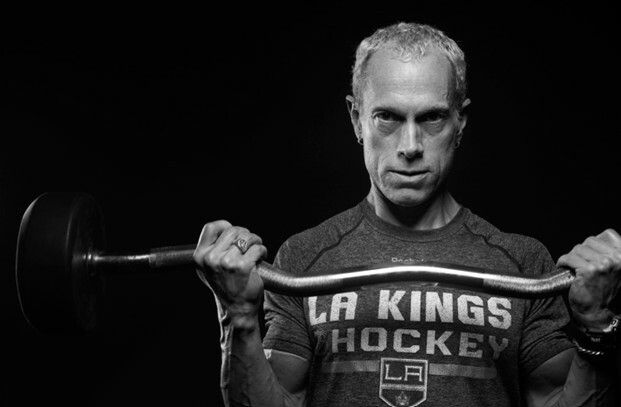
Rick is an athlete, coach, and founder of Peak Performance Coaching. Many know him simply as "the Vegan Hockey Player." In a recent conversation on the Plant-Based Support Podcast with Dr. Niki Davis, he shared the story behind that name, and the everyday habits that keep him going strong.
A 14-year-old's decision that never wore off
Rick's approach started early. He remembers being a small, undersized teenager lifting weights in his basement, determined to get stronger for hockey. Somewhere in there, his mindset shifted.
"I don't just want to be a hockey player," he recalls thinking. "I want to be an athlete." To him, that meant caring about the whole picture: training, sleep, recovery, mindset, and nutrition, not just game day.
That love of the process never left. While many athletes tolerate training and just want to compete, Rick genuinely enjoys every part of it, from morning prep to evening recovery. Decades later, that same curiosity is what drives his coaching.
The long road back to hockey
Rick's path wasn't a straight line. To get stronger on his skates in college, he started cycling, and ended up leaving hockey for 23 years to race bikes competitively.
Those years came with a cost. Multiple crashes led to serious injuries and a long list of repairs. About 11 years ago, he returned to his first love, hockey, joking that at least he wouldn't get hit by a car.
Along the way, people kept asking him the same questions: How do you train? How do you recover? What are you eating? Rick became the go-to resource in his athletic circles, and eventually turned that role into a coaching community of around 150 athletes.
From vegetarian to vegan
Rick was vegetarian for 25 years before going fully vegan about 11 years ago. He describes himself as an ethical vegan, first and foremost, moved by what he learned about animal welfare.
He also noticed changes in his own body. After years of wrist pain and stiffness from old hockey and cycling injuries, he removed dairy, and, in his experience, the discomfort he'd lived with for years eased. He's careful to say he can't promise that outcome to anyone else, and that everyone's body is different. But it was enough to keep him going.
What he'll happily tell you is that plant-based eating no longer feels like giving anything up. The food has come a long way, and so has the ease of finding it.
The "1% edge" and the three R's
Ask Rick what separates high performers, and he doesn't start with talent. He starts with mindset.
He talks about resilience, relentlessness, and resolve, his "three R's." At an elite level, he points out, athletes are separated by hundredths of a second. His belief is that you can find a small, meaningful edge in the details you control: how you recover, how you respond to setbacks, and how you fuel.
For Rick, recovery is where plants shine. He leans on a whole-food, plant-based, anti-inflammatory way of eating that he feels helps him bounce back faster between hard efforts. At an age when many expect to slow down, he's often doing two workouts a day.
"Where do you get your protein?"
It's the question every plant-based athlete hears, and Rick has a favorite answer, borrowed from a coach he admires: "I get my protein where your protein gets its protein." In other words, plants.
The science backs the bigger point. You can meet your protein and nutrient needs on a well-planned plant-based diet, and plant foods supply the same amino acid building blocks that animals get from the plants they eat.
Rick's own thinking has evolved. For years he chased high protein targets, then learned that many strong athletes thrive on far less than the popular one-gram-per-pound rule of thumb. Now in his 60s, he's become a bit more intentional about protein again, a reminder that needs can shift with age and training load. His guiding principle stays simple: eat enough whole foods, and protein tends to take care of itself.
A day of fueling, in real life
One of the most useful parts of the conversation is Rick's play-by-play of a typical day. A few highlights:
Before skating: whole-grain toast with nut butter and banana, plus beet juice for a pre-workout boost.
Right after: a plant-based protein bar to kick off recovery, then a big 32-ounce smoothie packed with greens, berries, cacao, seeds, and plant protein.
Throughout the day: dates for quick energy and a handful of walnuts (his pick for the most nutritious nut).
Dinner: a lentil or quinoa-brown-rice pasta, plenty of vegetables, and fruit for a naturally sweet finish.
His advice for staying on track while traveling is refreshingly down-to-earth: plan ahead, pack easy foods like fruit, nuts, and nut butters, and don't stress the buffet. At a team meal, he simply builds a plate from the pasta, vegetables, and fruit already there.
A gentle note: this article is for education and encouragement, not medical advice. Individual results vary, and it's always wise to check with your own clinician before changing your diet or exercise routine.
🎧 Watch the full episode
There's so much more in the conversation, Rick's mindset stories, his take on recovery, and the full picture of how he fuels performance at 60. Settle in and enjoy his energy for yourself.
And if you'd love support on your own plant-based journey, come join our community at plantbasedsupport.org, we're right here alongside you. 💚


