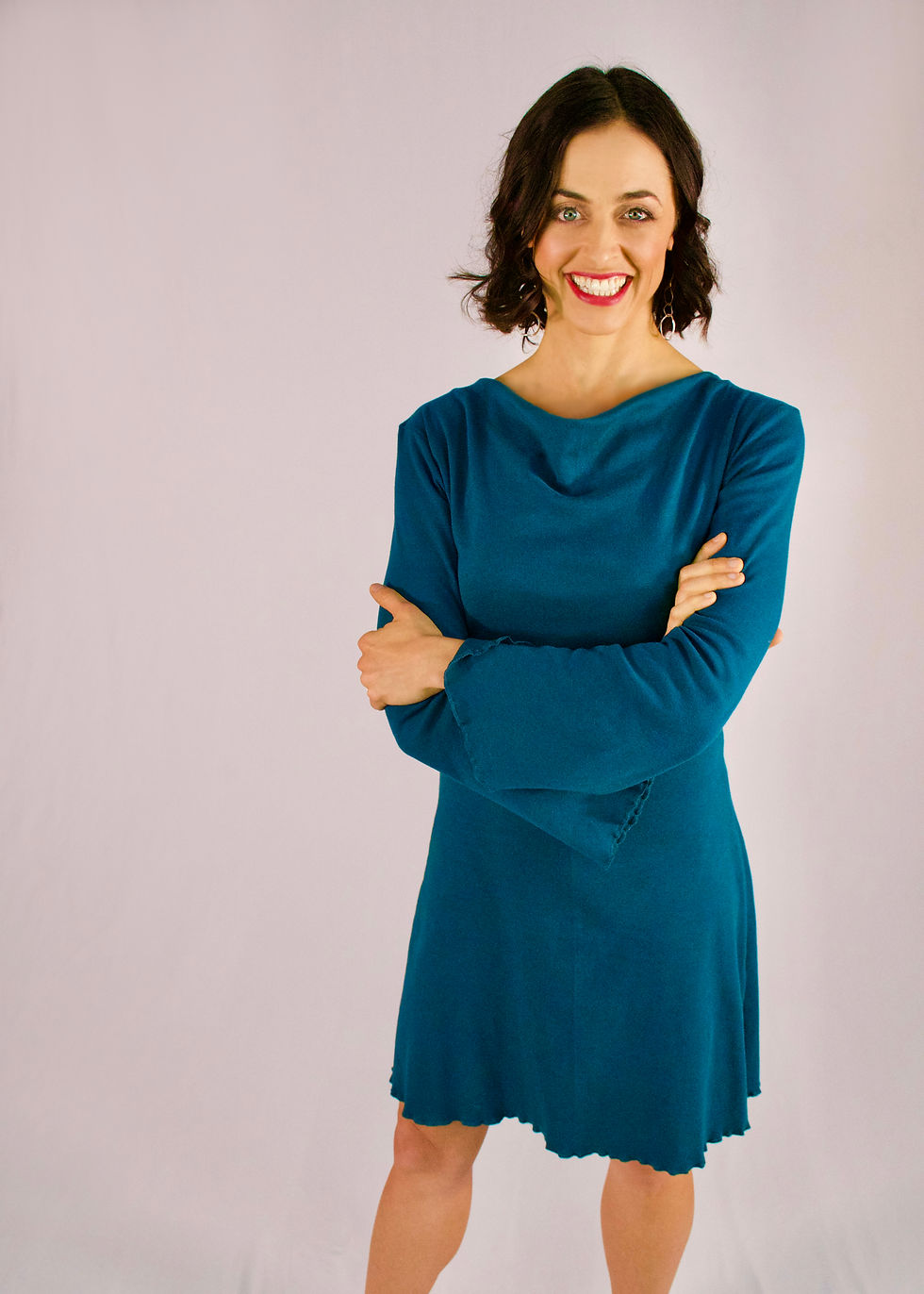
Plant-Based Eating, Heart Health & Aging Well: Lauren Bernick’s Story

At 46, Lauren Bernick thought she was doing the right things for her health. A coronary artery disease diagnosis changed the conversation. In this episode, she joins Dr. Niki Davis to share what happened next—and what she has learned about making the rest of life meaningful.

Lauren began her days with green juice or a smoothie. She ate chicken, fruits and vegetables, low-fat dairy, and foods she understood to be healthy. She exercised, too.
But her cholesterol remained close to 300.
When her OB-GYN recommended a coronary calcium scan, Lauren expected to be reassured. Instead, she recalls a score of about 140 and a subsequent diagnosis of coronary artery disease.
“I was floored,” she tells Dr. Davis.
That moment became the beginning of a different relationship with food, health, and her own future.
Meet Lauren Bernick: From a Frightening Diagnosis to Plant-Based Education
Lauren is a plant-based educator, founder of Well Elephant, and host of the podcast Age Like a Badass Mother.
Her work grew out of questions she first asked for herself. If she was already eating what she believed was a healthy diet, what else could she learn? What could she change? And who could help her understand her options?
After her diagnosis, Lauren called her father. He mentioned Dr. Caldwell Esselstyn’s book, Prevent and Reverse Heart Disease. She ordered it, read it, and started cooking from the accompanying cookbook.
The change began in her kitchen.
Over time, that personal experience became a reason to share recipes and practical education with other people facing similar questions.
What Changed When Lauren Changed Her Diet?
Lauren describes improvements that reached beyond the laboratory report.
She says she lost about 20 pounds and found her weight easier to maintain. She noticed more energy, better sleep, fewer headaches, and lower blood pressure. Her total cholesterol fell from nearly 300 to around 200, according to her account.
Some changes were gradual enough that she only recognized them later. She recalls realizing that the bottle of headache medication she used to carry in her purse was no longer getting used as often.
At the time of the interview, she put the overall feeling this way:
“I feel better at 57 than I did at 37.”
These are Lauren’s experiences, rather than results another person should expect. Still, they help explain why the change became much more than a short-term experiment for her.
Can a Plant-Based Diet Reverse Heart Disease?
Lauren describes her journey as reversing heart disease, and Dr. Davis discusses research by lifestyle medicine pioneers.
There is evidence that intensive lifestyle programs can produce regression of coronary atherosclerosis in some patients. In the small randomized Lifestyle Heart Trial, participants in a comprehensive program had less coronary narrowing over five years. The program combined a low-fat, whole-food vegetarian diet with exercise, stress management, smoking cessation, and group support.
That matters when interpreting the findings: the study evaluated a combined program, so it cannot isolate the effect of diet alone or guarantee the same outcome for everyone. Read the five-year trial published in JAMA.
Lauren also recalls encouraging follow-up blood tests, carotid imaging, and a stress echocardiogram. These are different assessments; her account does not independently demonstrate that coronary plaque disappeared or that she no longer has cardiovascular risk.
The National Heart, Lung, and Blood Institute describes coronary heart disease care as an individualized combination of lifestyle changes, medicines, and, when needed, procedures. Learn more about treatment options.
For readers, the useful question is what changes and follow-up care make sense for their own circumstances.
When Cholesterol Stays High Despite Lifestyle Changes
One of the most valuable parts of the conversation is Lauren’s honesty about the questions she is still working through.
Her LDL cholesterol remains elevated, she says, despite her dietary efforts. She also reports high lipoprotein(a), often written as Lp(a). She asks Dr. Davis about reconsidering cholesterol-lowering medication.
Dr. Davis explains that the answer requires more information about the person’s overall health and risk.
This is a useful reminder that feeling better and seeing improvements do not settle every question about long-term heart health.
According to the American Heart Association, Lp(a) is largely inherited. Healthy habits can help address overall cardiovascular risk, even though they generally do not lower Lp(a) itself. Read more about Lp(a).
If you have diagnosed coronary disease, persistent high cholesterol, or a strong family history, discuss your results and treatment options with your healthcare professional. Medication can be part of a plan that also includes nutrition and other daily habits.
What Does It Mean to Age Well?
Lauren’s podcast began with a family observation.
Her aunt was older than her mother, yet seemed younger in the way she moved through life. Lauren became curious about why people’s experiences of aging can look so different.
That question led her to interview clinicians, researchers, artists, and people with very different life stories. The conversations explore health, but also confidence, choices, and how people spend their time.
In this episode, Lauren shares five themes she hears repeatedly. They are lessons she has gathered from her guests, rather than a clinical formula for longevity.
1. Practice Gratitude
Lauren talks about thanking her body and noticing what is going well. Dr. Davis connects that attitude with approaching new foods and healthier habits with curiosity.
For someone making a lifestyle change, that might mean appreciating the chance to learn a new recipe or recognizing one small thing that felt easier this week.
2. Pay Attention to Food and Lifestyle
Food and everyday habits are central to Lauren’s story. She encourages listeners to think about how their choices shape the life they want to enjoy.
The practical starting point can be small: choose a recipe, make time for movement appropriate to your health, or ask for help building a routine you can repeat.
3. Advocate for Yourself
Lauren describes guests who kept asking questions and seeking appropriate care when something did not feel right. She also talks about speaking up in a career or asking again when an opportunity matters.
In healthcare, self-advocacy can mean asking what a test measures, discussing treatment benefits and risks, or seeking another qualified opinion.
4. Find Your Calling—and Make Room for It
When Lauren brings up purpose, Dr. Davis shares her own experience of leaving engineering to pursue medicine.
She remembers wishing away her working hours before deciding to return to school. The transition was demanding, but she now describes doing work she loves.
Lauren’s invitation is simple: if something still matters deeply to you, consider what step you can take toward it.
5. Be Kind and Loving
Kindness can show up in ordinary moments: a compliment, a held door, or patience in traffic.
For Lauren, these small actions belong in a conversation about living well. They are part of how she wants to experience her days and relate to other people.
Find Lauren’s Recipes and Podcast
Visit Well Elephant for Lauren’s recipes, free cookbook, and information about her plant-based education. Explore Age Like a Badass Mother for her podcast and conversations about aging well.
In the episode, Lauren also mentions her involvement with Plant Based Support’s heart disease support group. Check our website for current group details and availability.
Watch the Full Episode: Lauren Bernick with Dr. Niki Davis
Hear Lauren tell her story in her own words, including what surprised her, the health questions she continues to explore, and the lessons she has gathered from her podcast guests.
Your Health Journey Deserves Support. Find Yours at Plant Based Support.
You may be ready to try a different way of eating. You may already be plant-based and looking for encouragement. Or you may simply want to connect with people who understand why these changes matter to you.
You do not have to figure it all out alone.
Plant Based Support brings education and everyday practice together through:
Live support groups: Share experiences and connect with people navigating similar challenges.
Expert educational events: Keep learning about plant-based nutrition and lifestyle.
Cooking demonstrations and resources: Find practical ideas you can bring into your kitchen.
Community conversations: Ask questions, celebrate progress, and find encouragement.
Replays and learning materials: Explore resources at a pace that works for you.
Start your 14-day free trial and discover the support available through our nonprofit community.
Frequently Asked Questions
Who is Lauren Bernick?
Lauren is a plant-based educator, founder of Well Elephant, and host of Age Like a Badass Mother. In this episode, she discusses the coronary artery disease diagnosis that prompted her dietary changes.
What health changes does Lauren report?
She reports losing about 20 pounds, lower blood pressure, more energy, better sleep, fewer headaches, and a substantial reduction in total cholesterol. These are her personal experiences; results vary.
Can a plant-based diet guarantee heart disease reversal?
No. Research on comprehensive lifestyle programs is encouraging, but it does not guarantee reversal for an individual. Treatment and monitoring should be tailored to the person.
Does eating plant-based mean I will not need cholesterol medication?
No. A clinician may recommend medication based on your diagnosis, cholesterol levels, inherited risks, and other factors, even when you follow a healthy eating pattern.
What are Lauren’s five lessons about aging well?
Gratitude, food and lifestyle, advocating for yourself, pursuing your calling or passion, and being kind and loving.
Where can I find plant-based support?
Visit PlantBasedSupport.org to explore the community, support groups, educational events, and practical resources.
Evidence and Further Reading
Medical disclaimer: This article is for educational purposes only and is not individualized medical advice. Do not stop or change prescribed medications without consulting your healthcare professional. Health outcomes vary by individual.