Is Veganism About Health — or World Peace?
What if the fork is more powerful than we think?
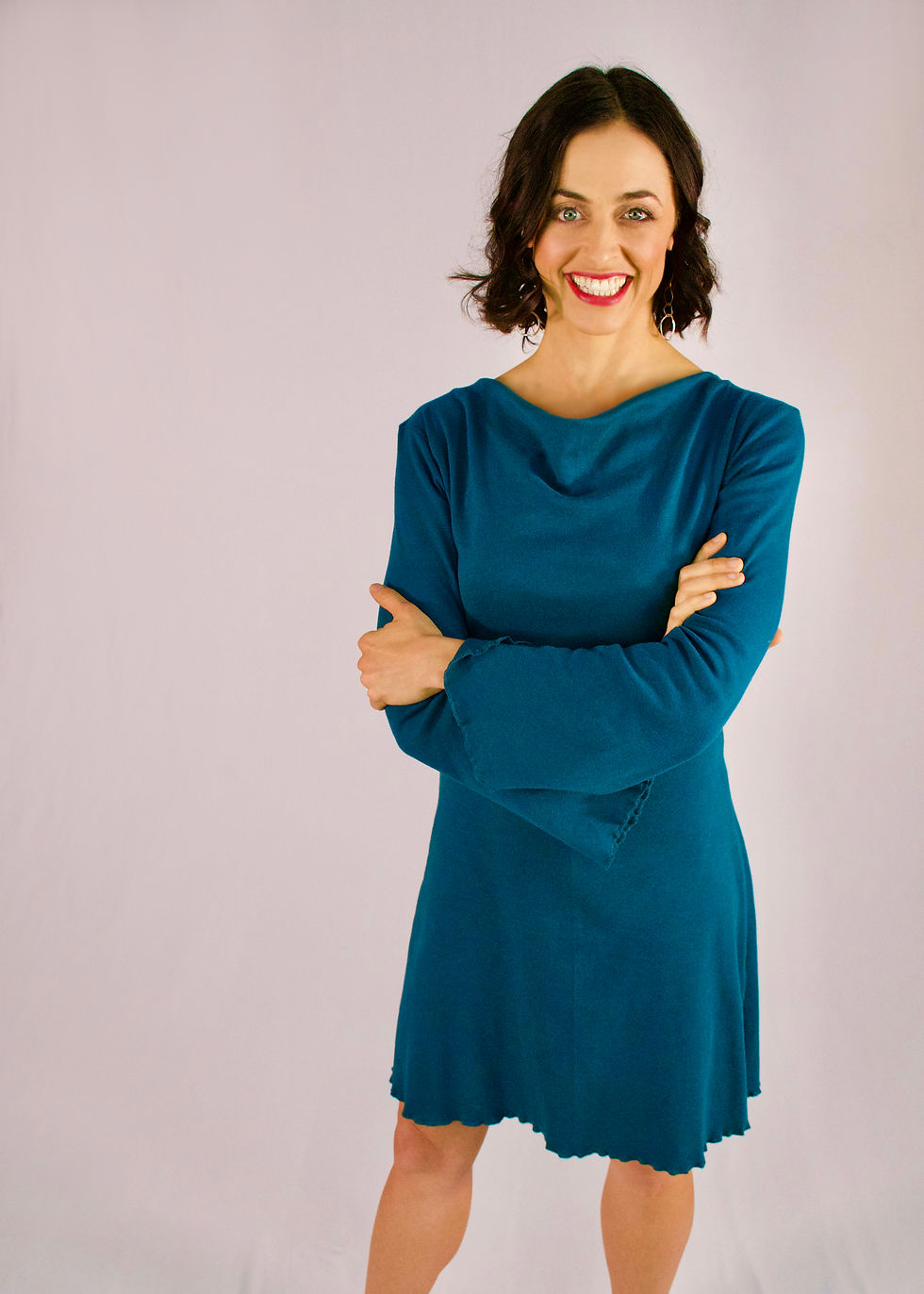
In this week’s episode of the Plant Based Support Podcast, Dr. Niki Davis interviews Dr. Will Tuttle, author of The World Peace Diet and one of the most influential voices in the global vegan movement.
Dr. Tuttle shares his extraordinary journey from a conventional meat-based upbringing to walking across the United States in search of deeper meaning, eventually becoming a Zen monk in South Korea and embracing veganism as a spiritual practice.
But this conversation goes far beyond personal transformation.
Dr. Tuttle challenges the idea that veganism is merely a health trend. Instead, he frames it as a shift in consciousness. He explains how animal agriculture shapes our institutions, culture, and even our definitions of power and dominance. According to Tuttle, true change is not about shaming others — it is about embodying compassion.
He outlines the “three stages” of veganism: the beginner stage, the angry stage, and what he calls deep veganism — a place of grounded understanding and peaceful confidence.
The episode also addresses a controversial reality: modern plant-based culture has become increasingly commercialized. Ultra-processed vegan products may be confusing the public and diluting the original health message of whole food, plant-based nutrition.
Ultimately, Dr. Tuttle reminds us that food is not just fuel. It is participation in a system.
The question is — what system are we supporting?
Listen to the full episode and join the conversation at plantbasedsupport.org.
Episode’s Transcript
Please understand that a transcription service provided the transcript below. It undoubtedly contains errors that invariably take place in voice transcriptions.
Niki Davis, MD (00:01.849)
Hi there, I'm Dr. Nikki Davis and this is the Plant-Based Support Podcast where we share evidence-based wisdom, real stories, and support for your journey to better health through plant-based living. Now, I actually started out as an engineer on the Space Shuttle program before making a big change in my own health and career by moving to a plant-based diet. Now, I get to be a lifestyle medicine physician helping patients all over the world through lifestyletelemedicine.com.
Now today's guest is Dr. Will Tuttle, author of The World Peace Diet and a powerful voice for compassion, sustainability, and the deeper meaning behind our food choices. Now, but first for today's learning moment, I wanted to touch on something that Dr. Tuttle has spent his life teaching, the ripple effect of what we eat. Choosing plant-based doesn't just improve our personal health. It reduces greenhouse gases, saves water, and prevents animal suffering.
Every meal is a chance to create a more peaceful and sustainable world. Now I'd like to introduce you to Dr. Will Tuttle.
Dr. Will Tuttle (01:13.317)
Thank you so much, Dr. Nicky, and thanks to everyone for watching us and listening, and I'm delighted to be able to share this time with you.
Niki Davis, MD (01:22.06)
Wonderful, thank you so much for being here today. I am absolutely delighted. Now, there might be some people listening who don't know about you. So I would love to start out with just hearing more about your background and kind of what led you to what you ended up doing, you've done through your life and what you're doing today.
Dr. Will Tuttle (01:42.46)
Yeah, just briefly, like you, I think it was a change in food. when I was a kid, was born and raised back in the 1950s in Concord, Massachusetts, which was kind of a neat place because there was this whole Emerson and Thoreau, and there's also the birthplace of the American Revolution. And I think I got some of that in me, the revolutionary spirit perhaps. And my father owned a whole chain of newspapers. He actually wanted to be a doctor.
And he wasn't a doctor and he told me it wasn't his thing. So he went into writing and publishing. So I learned a lot, I think, about the media from him. And I think in a way we've lost a lot of really good journalism that we used to have. But in my own life as a kid growing up, we ate lot of meat, dairy, and eggs like everybody did. And I remember when I was about five years or maybe seven, about seven years old, I asked my mother,
about our food if it was what everybody eats. Does everybody eat like we do? And my mother said, yeah, pretty much everybody eats the same. And then she came back after she said that and she said, no, I made a mistake there. There are people who eat differently. And she said, they're called vegetarians. And I had never heard that word in my life. And so I was curious about it. she said, you know, I said, what's a vegetarian eat? You know what, like, what do they do? And she thought for a while and then she said, you know, don't worry about it. You're never going to meet one.
Niki Davis, MD (03:06.892)
Hahaha!
Dr. Will Tuttle (03:07.483)
She said, I never met one. I don't know where they get their protein. So I just had this delight, glad, happiness that I wasn't one of these stupid vegetarians that didn't know how to get enough protein. And I lived my life basically like that. I did okay. got through. My brother and I and my sister, younger sister, we had a lot of the typical things that people have. lot of runny noses and sore throats and earaches. And I had an appendicitis and all these things.
When I was a little older, went to, in the summers, to a summer camp in Vermont where I actually engaged in, we would slaughter our own chickens. We would actually gather around. We would kill a cow on the, you cause there was a dairy and we would, you know, the guy would say, well, you know, she's not giving me enough milk. We got to use it for meat now. And so I really participated in all of that and got to see it. And really it's shocking actually. But I never thought for a second that I was doing something that was
improper or harmful or not good. I had gone through at that point about 13 years. I was about 13 or 14 years old during those years. Of just the most intense indoctrination you can go through. Every day, breakfast, lunch, and dinner, I was eating the basic narrative that God gave us certain animals to eat. They don't have a soul like we do. If you don't eat them, you're definitely going to die within 15 minutes of a protein deficiency or something.
So just, you know, had to, a man's gotta do what a man's gotta do. So I was a young man becoming a man. But luckily I went away to college in Maine, Colby College in the early 1970s during the Vietnam War era and protests and questioning things. And I started doing that and started getting really interested in Eastern religion and studying yoga and meditation and realizing that there's more to life than just making money and trying to get ahead in the world. So I told my father,
decided I wasn't going to take over his newspaper empire. He had a whole chain of newspapers. And my younger brother, Ed, to my delight, when I talked to him about spirituality and this idea that we can attain a higher consciousness, like we call it cosmic consciousness, he said, yes, let's do it. So we told our parents we're going to attain cosmic consciousness now. And they said, well, what are you going to do? And we thought, well, there's only one way to do it, and that's to go to California.
Niki Davis, MD (05:29.225)
Hahaha
Dr. Will Tuttle (05:30.619)
In 1975, actually walked out. It actually, I mean, it was right about this time, was September 9th of 1975. So 50 years ago, almost exactly. We walked down the driveway with a little backpack, fresh baked cookies from my mother heading west. We were going to walk all the way to California with no money. We didn't bring any money. And so I had just turned 22. He had just turned 20 the day before.
Niki Davis, MD (05:42.196)
Wow.
Niki Davis, MD (05:54.249)
And how old were the two of you at the time?
Dr. Will Tuttle (06:00.459)
And so we just took off and we were not vegetarians. We would eat whatever we could get because we didn't know where the... But the basic thing was we just spent every day walking about 15 or 20 miles, meditating and going deeper with this question of what am I, who am I, what are we really? We think we're this body and this collection of memories and desires and so forth, but we wanted to go deeper.
because we really felt that there's no way to have a fulfilling life if we are on a shallow foundation. So we were young enough to figure out we need to go deeper. we just, I mean, I have to say miracles unfolded somehow. We didn't starve to death. We usually would stay on the floor of a little church, some little town somewhere. We went on the little tiny back country roads all the way across into New York and then down. We decided to head south because...
It was in October, November, it was getting cold. So we just ended up not going to California. We headed south. We went down through Pennsylvania, all the way through the Bible Belt, through West Virginia, Kentucky. We had amazing experiences because we would stay on the floors of these churches with these born-again Christian people that sometimes they didn't even have any wood on their floor. was like really poverty back then.
We ended up getting down to Tennessee and we ended up eventually at a community called The Farm. And The Farm in 1975 was kind of well known because it was the largest hippie commune in the world and there was about 900 people living there and they were pretty much all from California. And they were all vegetarians, every single one of them. In fact, we would call them vegans because they didn't know, nobody knew the word vegan back then. But they didn't eat meat or dairy or eggs or even honey. They were really like.
Niki Davis, MD (07:38.026)
Wow.
Dr. Will Tuttle (07:47.319)
strict on that and they grew a lot of their own food. So that was it. When I was with those people and we were eating the food and I asked why and they told me about the terrible suffering of animals and about how we could feed everyone on planet Earth if we would eat the food directly instead of wasting it by feeding it to animals and they basically waste most of it. And they were thriving. They had about 200 children there. They were pretty much all vegan from birth. They were doing great.
So it was just this learning, a lot of unlearning, unlearning everything I thought I knew about nutrition and everything else and embracing this as a spiritual practice mainly. So we left there eventually after not very long, maybe three or four weeks, we continued south, but I've never eaten meat in my life since the farm. That really completely changed. That was it. That was it. And it was interesting, my wife, Madeline, we've been married now 32 years at the same exact time.
Niki Davis, MD (08:36.029)
Wow, so that was the beginning.
Dr. Will Tuttle (08:44.544)
in Switzerland, she also decided to never eat meat in her life. Very interesting how that worked out. Yeah. So we walked off to Huntsville, Alabama, and there was a Zen center there. And we moved in and we just meditated like 10, 12, 14 hours a day. That was our life for quite a while. I eventually, after a few years, got out to California, San Francisco, and I was living in a Tibetan Buddhist meditation center and then some other Zen centers. In 1985,
Niki Davis, MD (08:48.199)
Wow, wow, really? Yeah.
Dr. Will Tuttle (09:14.394)
I decided to shave my head and become a Zen Buddhist monk in South Korea. So I went over there and I was living in a monastery in South Korea that had been practicing what we would call vegan living for 750 years. So that really completely changed, even deepened my understanding because I realized that this isn't a new hippie thing from California. This is really an ancient wisdom tradition. And these monks, they were all vegan.
Niki Davis, MD (09:26.921)
Wow.
Dr. Will Tuttle (09:40.463)
And they were so vibrant and so healthy. They were fantastic martial artists. And we would sit from three o'clock in the morning till nine o'clock at night. It was very intense, rigorous meditation practice. But to me, that really deepened this whole thing where I could see that it isn't just a lifestyle choice. It's really our true nature to have kindness and compassion for other beings. If we're really serious about spiritual unfoldment, about having a...
world where there's peace and harmony and relationships among humans. It's not going to happen if we're going to insist on imprisoning and abusing millions of animals unnecessarily, Because all the nutrients that we need to thrive come from plants. We don't have to run them through an animal. We can eat them directly. So that was it. So I became a vegan, I think, in 1980 before I went over to South Korea. And so I've been a vegan now for 45 years.
And it's been great, I have to say. It just gets better every day in terms of the happiness in my heart and the health that I'm experiencing. And I'm now 72 and my wife's even a years older than me. And we're doing really well. I think it's an important thing, because there's this kind of narrative going around that, vegans, you're missing nutrients. You might not do that well when you get older. They have this test. You may maybe have heard of it, this guy.
Anyways, don't die. The op is don't die. there are seven tests that have been sort of scientifically proven to give a pretty accurate indication of your biological age. Grip strength, if you can stand up from the floor without using your hands. Your ratio of body height to body weight. How long you can stand on one foot. A whole bunch of different little things that...
You do. so anyway, I have a biological age of 22. And I think it's really, it's true though. mean, it's not just food. Food is important. But I actually wrote this book recently, just came out of actually less than a year ago, The World Peace Way. It kind of goes with the world peace diet, but it's just the other books I've written are philosophy books. And this is just a practical book, What to Eat.
Niki Davis, MD (11:42.484)
my goodness.
Dr. Will Tuttle (12:02.084)
How do you have a spiritual practice? What kind of exercise and movement, relationships, nature, creativity? Because our health is not just food. We're not just a body, we're a being. So all these other factors are so important and so many people are eating a really healthy diet and then they're angry all the time and they wonder why they are sick. We've to look at those things. So that book I realized we need to kind of broaden. So that's kind of what got me here and I've just been so really blessed, I think, to.
Niki Davis, MD (12:21.148)
Right? Yeah.
Dr. Will Tuttle (12:31.033)
discovered the vegan way of living and then just found ways to share the message. And that's been my passion. And Madeline, my wife, loves to the same thing. So we've actually probably given more lectures promoting veganism than any human who's ever lived because that's all we did. I I lived in an RV and we've been to all 50 states, over 50 countries, all over the world because the world peace diet got translated into like 19 languages. So we were invited to Slovenia and Norway and
Vietnam and China and all over the world because they translated the book into those languages. So we really had a chance to see the whole vegan movement worldwide and get a real understanding of these things and get more and more committed than ever because it's just so right. You know, it's just so right that we live this way and that we understand the many advantages of questioning our culture's narrative about animals being just here for us to use and how that
arms us on so many levels. Yeah, so that's basically it.
Niki Davis, MD (13:32.348)
Yeah. Wow. So, you know, it seems like you have a unique perspective that most of us don't on the vegan movement in general, because you've kind of been, I mean, and I know you said that, of course, this is something that has been around that we're just not been aware of, but for you, having traveled all over the world over the last 50-ish years,
Tell us a little bit about that experience of watching this movement and where you've seen it go and where it is today compared to in the past.
Dr. Will Tuttle (14:10.509)
That's a great question. It's actually, you know, it's mainly, I think, a positive story. I I think, you know, when I became a vegan in 1980, it was pretty much unknown. You'd say vegan, vegan, what do you say? What the heck is this? And there wasn't anything really to eat. I mean, we would just go and buy grains, beans, nuts, seeds, fruits, vegetables. There wasn't any, you know, plant-based milks or cheese or meats or any of this. I mean,
There was a little bit, was powder you could mix up, soy powder. was Worthington made these Franks that were, I mean, it was terrible, so nobody ever bought it. So the good side of that was we were much healthier, I think, because we were really just eating whole plant-based foods. And so I would say that basically the movement really has grown gradually and steadily and in a really beautiful organic way for all those decades. I think...
The only thing is I would say, like, cause we would see it, we would go to countries like in Europe over maybe a 10 year period and we would see their annual veg fest go from maybe 500 people to like a thousand to like 4,000 to 8,000. It'd be these gigantic veg fests in places like Budapest or wherever, you know. And so, and the number of vegan restaurants would just be growing so fast.
And so was really a very heady time. I would say that for me, that was the golden years up until actually until 2020. Because once COVID hit, it was just like this contraction and it got more difficult for people to travel. You couldn't have VegFest anymore. lot of vegan restaurants closed down. There became a more infighting within the movement. People were divided over how to respond to this whole thing. So I think since then, the movement's been kind of
regrouping, trying to... The whole society, I think, has been kind of like, you know, we've become more divided, I think, overall. So I think it's a challenging time right now for the movement. But overall, I think there's a good foundation. There's just certain things that happen all the time where some people, I think, get...
Dr. Will Tuttle (16:33.913)
pulled back into the mainstream way of eating because there's so much, it seems like more now there's a lot more accusing vegans of eating junk food. That never used to happen. In the old days, they would never say that. I you vegans, we know you, but you don't eat meat, but you're eating healthy, right? Now people are laughing at vegans and making these jokes about, this is a food that's
Niki Davis, MD (16:48.08)
Hmm.
Niki Davis, MD (16:55.45)
Right.
Dr. Will Tuttle (17:01.357)
filled with GMO ingredients and artificial hyper-processed food. That's what vegans eat. That must be a vegan food. And so I think we've lost the high ground on nutrition. And partly it's because of an invasion into the vegan community of money makers who saw markets. We can make a lot of money with calling it climate friendly or whatever, and people will buy it. then the
Niki Davis, MD (17:18.702)
Right?
Dr. Will Tuttle (17:27.481)
problem is they eat this stuff and they don't feel well. And then you have all the social media activity saying, well, I tried being a vegan for six months and ate all there and ate vegan cheese and vegan ice cream and vegan meat all the time. And man, I feel terrible. And so we try to educate people that we really should be eating whole, I would say organic plant-based foods. We have our own food forest here. We lived in an RV for many years. Yeah. And then I think 12 years ago, we bought a little piece of land. It's only half an acre, but we have about a
Niki Davis, MD (17:49.687)
you do?
Dr. Will Tuttle (17:56.485)
quarter of an acre that's growing food. And we have 80 fruit and nut trees that we've planted ourselves. And it's really working. I we get a lot of food out of that garden. it's all veganic. No bone meal, blood meal, manure. It's just we really do it in a way that creates a community of beneficial insects and that whole thing. And it's fun. It's really anything is a connection with the Earth. And I think that's really the way forward, too.
Niki Davis, MD (18:02.872)
Wow.
Dr. Will Tuttle (18:25.08)
try to reconnect with the earth in a benevolent way. What we feel is the more we love the earth, the more the earth loves us back. In plant-based foods, you can see that. When we love these trees and love these plants and vines and bushes and herbs, they really take off. And animal agriculture is the opposite of that. You've got to use force. And so we live in a society which is really rooted in animal-based agriculture. So in many cases, we do everything that way.
We do plant agriculture with herbicides, pesticides, monocrop, this really violent way of agriculture. So I think we need a more feminine kind of connected with the earth nurturing relationship with nature, not based on fear and domination, but based on respect and kindness. And I think it has to be more grassroots. need to kind of get in there, support local farmers at farmers markets, grow our own food as much as we can.
and pull out of this centralized control that seems to be taking over our society and try to decentralize a lot of these things and get more self-sufficient, take more responsibility personally for our own health, for our own food, for our energy and relationships, all those things, rather than relying on these gigantic systems, which are more more controlled by just a tiny minority of people.
who make their money on what? On sickness and war. That's how they get rich. So we have to understand that, become more savvy, I think, and become more self-responsible. those are the kinds of things that I think the vegan movement should be leading in that, hopefully. But I think we're not so much. We're trying to figure those things out. So that's how I see it, basically.
Niki Davis, MD (20:12.207)
Yeah. Yeah. Well, and I love that you brought that up because I think the idea of it being more grassroots and something that you yourself can start doing today for yourself makes it not feel as overwhelming, right? It's just, you don't have to go out and speak to thousands of people or, you know, travel all over the world like you've done. You can really just start growing your own food at home and supporting local farmers.
Dr. Will Tuttle (20:23.863)
Yeah.
Dr. Will Tuttle (20:32.407)
Yeah.
Dr. Will Tuttle (20:35.938)
Mm-hmm.
Dr. Will Tuttle (20:41.303)
Yeah.
Niki Davis, MD (20:41.752)
Right? That's a good step to start moving things forward.
Dr. Will Tuttle (20:47.584)
Right. And start like we did a local vegan potluck, monthly potluck maybe, so people can come and share their food. And then it goes from there. Maybe you have some other gatherings. And the whole idea is to just be where we are, do what we can, meet people, show the benefits. I really am a big believer that if we try to change other people, they just resist. The more you try to change someone else, the more they resist. If we focus less on changing other people and focus more on changing ourselves,
really being what veganism actually is, which is loving kindness for all beings, not just animals, but for humans too, then we would attract people. The movement would really grow, I think, much faster. The emphasis on getting out and trying to change people and show them all the misery and all the violence, to me, there's a place for that. I did that. I think ultimately positive social change comes from positive personal change. And this whole idea that
I'm not the problem, I'm a vegan. They're the problem, we gotta change them. That's just boomerangs and pretty soon people hate us. Like you're vegans, you're a bunch of self-righteous people. Because we're not really opening our hearts and listening to them. We're telling them how they should live. And that just doesn't work in a human community, in human relationships.
Niki Davis, MD (22:06.304)
Right, before, you know, I know we've both been through our own stories of how we ended up eating this way, but we didn't always eat this way. So we were in that position at some point as well. And so also just having that compassion for other people that, you know, they're in their own place for that, you know, certain reasons. And if we can just show
Dr. Will Tuttle (22:18.037)
Right.
Niki Davis, MD (22:35.223)
what it is like to live this way and be positive and be kind and compassionate and be that good role model. I think I completely agree with you. I think that is the way to really help people be curious and interested in what we're doing.
Dr. Will Tuttle (22:45.751)
Right.
Dr. Will Tuttle (22:52.28)
Mm-hmm.
Right. it's much more long-term sustainable. Because otherwise, I've seen this quite a bit, vegans get burned out. They start hating humanity. They start thinking, oh, I wish all the humans would just go extinct. And that's just not healthy. mean, we're on this earth anyway for only a few decades. Even if we eat really healthy food, we eat nothing but totally organic sprouts, we're still going to die after maybe 10 decades or 11. So every day is
We don't only have a few years here. Why? And we're not here just to be healthy. We're here to actually bring forth something, right? We're here to fulfill a creative purpose. Our body's a vehicle for that. So instead of just only trying to be healthy, we should have a healthy body so we can be creative. Have a creative contribution that we can make to the world for the short time that we're here. And like you say so well, it's
really, think, our own example that it has the biggest weight. And I think in a lot of ways, it's kind of like when we go out into the food forest and there's an apple tree. And on that tree, some of the apples are ripe. They're ready. We can pick them. Other ones, they're not ripe. And I don't go to the not ripe ones and start yelling at them and say, what's wrong with you? You know, you know, they're all ripe. know, the whole thing is every
every being, every human being has their own process and we can shine light on them maybe to encourage them. But the best thing is just to be ourselves, tell our story and not blame and shame and criticize other people really.
Niki Davis, MD (24:34.517)
Yeah. Yeah. thank you so much. I think that that perspective is, really, it's, it's not something that I hear a lot of. And I, I really appreciate it because I do think that that is where, if we can say there's a struggle in this vegan movement, that is absolutely something that I think is a problem is that judgment of others and, and not having that compassion for other people.
Dr. Will Tuttle (25:04.183)
Yeah.
Niki Davis, MD (25:04.691)
So yeah, yeah. So in people who are, you know, maybe they've tried eating this way and they're struggling, especially I think a lot of people struggle with the social implications because we are a small part of the population. What would you say to people or how would you help people to figure out how to navigate that process to be more successful?
Dr. Will Tuttle (25:34.933)
Yeah, there's really, I think a couple of different points that are important to make. One is to really try to make an effort to understand vegan nutrition, plant-based nutrition. I think a lot of people think that, gosh, I'm not eating meat and dairy and I'm going vegan, I need a lot of protein. And they start just like eating huge amounts of tofu and peanut butter and whatever they can do to get, and very often they don't feel very good. I think...
What I think is helpful is starch, quite honestly. think starch is really great. My wife, Malin, she's from Switzerland, bread. She loves pasta, bread, rice, corn, quinoa. These grains really give a good foundation because they burn clean. They give you energy. And then it's good to have vegetables and fruits and nuts and seeds and legumes and things also. But to kind of...
Really make an effort to navigate the fundamental foundation of healthy nutrition, which I think is basically complex carbohydrates are really our friend. They burn to clean energy. That's how we run around is from carbohydrates. And then have good quality fats. think fats, think it's good to really focus on organic also. I would recommend people do that. Also, I would recommend
the beginning, it might be good to do a cleanse. Mel and I spend six weeks every year at Hippocrates Health Institute in West Palm Beach on the staff there giving lectures and I play the piano doing concerts. And so I give lectures basically focusing on some of the things we're talking about here, just the motivation because people will come there because they have diabetes, obesity, arthritis, cancer, heart disease, all these things.
problems. A lot of it comes from eating terrible food. But what they found is when they'll come there and pay a lot of money for three weeks to get better, and then they'll go back home and they'll go right back and eat the same bad food. so I'm there to kind of help give the bigger picture to see the ethical dimension. Like when you're vegan, you're not paying people to stab animals. And there's really a lot more to it.
Dr. Will Tuttle (27:54.424)
But what we see really is that these really healthy foods, all organic and mostly raw and so forth and whole foods are a great foundation. But the underlying most important factor besides that and exercise, the other of the three pillars there are consciousness or mind. the Clements who run the place, he always emphasized that. Brian Clement always emphasizes that.
The most important thing, but really even more important than the food and the exercise is the mental state of the person to try to really build a positive mental attitude. So that's why I the World Peace Diet, that they really give the underlying foundation for how totally great it is to be a vegan, because we're really contributing to the healing of our planet, to reducing violence to animals, and we're building a healthy body and spiritual dimension.
And then the world peace way, of course, that's more about how we actually do it. But to understand, have a good foundation of understanding and then get the practical tools. And then the final thing I'll say is to realize that there are stages in this whole thing. Like there's the three main stages, I think. Our first stage is the beginning stage. And it's very difficult. It's no way around it. We're trained to eat animal-based foods. All our friends and neighbors usually are doing that. Our colleagues at work, everybody.
So when we change that, we're leaving the tribe. And in the old days, when you left the tribe, or if you said to the tribe, I'm not going to eat your food. That's unthinkable. That means like, go out and die by yourself in the wilderness then. You're not part of us anymore. So at a very deep level, anyone who actually goes V and is making a huge leap, because we're telling the tribe. So it's important to find.
help from a new tribe, the vegan tribe. So it's important for us as vegans to welcome these people and help them and be loving. And don't say, well, you're not really vegan if you eat this. Just be loving because anyone who's questioning it is in a difficult situation. So the beginning stage is difficult because we're leaving the tribe and also because we have to learn all these new food things, like I said. And then we have to learn how to respond to everybody's objections. They'll say, well, plants have feelings too. What do I say to that?
Dr. Will Tuttle (30:13.45)
Cows would take over the earth. If everybody went vegan, I didn't think of that. So we have all these. And then what do we do on Thanksgiving? And what do we do? There's so many social difficulties. So that beginning stage is difficult. And the best ally we can have really is our understanding. That's why reading or watching videos and so forth and having people, friends, neighbors, either physically or online, somehow community. Community support is really important. If we get through that stage,
Then we get to the second stage and the second stage is also bad in a way. I call the second stage the angry vegan stage. It's because we get through this whole thing and now we know how to answer people's ridiculous questions. We know how to make food this healthy. You know, here we go. But we say, come on, why don't you try going vegan? I like bacon. And we start getting angry because we see people don't care and they let themselves get sick. They hurt the whole earth.
Niki Davis, MD (30:46.945)
Dr. Will Tuttle (31:10.098)
And so there's a whole lot of people that are kind of somewhat trapped in a somewhat angry or disappointed or sad, some kind of negative relationship with society because they think that, you I'm right and they don't listen to me. And some people just avoid that by becoming closet vegans and don't want to tell anybody kind of have it as a secret. know, that's another, that's not healthy. But the good news is there's a wonderful third stage.
which I write about in my book. I also have a book called Food for Freedom, which is like the newer one. It's an update on the World Peace Diet, but both of these books. And the third stage is deep veganism, which really is fantastic because with deep veganism, we understand the situation. We understand why people have been eating this way. And we've been doing it for 10,000 years. We've been herding cows and pigs and chickens and other animals. And we see that it has enormous
social inertia and tremendous momentum in every institution in our society. Our medical, corporate, educational, religious, all the institutions in our society are organized around eating animals, herding animals, seeing ourselves as superior to animals and nature. That's it. So if someone comes along and says, I don't go along with that, it's like a huge question. But the beautiful thing is with understanding, we can navigate. We can have a confident, solid foundation.
We can understand that all the nutrients we need are from plants. We can understand that people are going to react and we can just be loving and realize that we have this wonderful gift of the human experience and we can be part of the healing here, part of the solution to the problem rather than just being part of the problem. And that's a cause for celebration. So I think that foundation in the deep veganism where we see the bigger picture and we understand the history
and the nutritional and the environmental and the spiritual and all these different dimensions of our society and of animal agriculture, then I think we can go and just have a wonderful life basically. To me, that's how I feel. It's just very beautiful to be able to live this way and not be part of that terrible killing of animals, but also
Dr. Will Tuttle (33:29.706)
do our best to shine light into that in our own way without condemnation or anything like
Niki Davis, MD (33:36.399)
Yeah, well, so well said, Dr. Tuttle, and I feel the exact same way. It really is a wonderful, wonderful way to live. I want to thank you so much for sharing with us today. Do you want to tell the people who are listening where they can find more information about you in case they're interested in buying your books or or just, you know, learning more about what you do?
Dr. Will Tuttle (34:01.814)
Thank you. Thanks so much, Dr. Nicky. And I think basically if you go to just worldpeacediet.com, that has the main book, The World Peace Diet, which was the number one Amazon bestseller worldwide back in 2010. And it has our tour schedule. My wife, Madeline, has all these cooking videos, preparing food preparation videos. have our training that we have, The World Peace Diet training, articles and essays I've written. The other books, The Food for Freedom and World Peace Way.
Also, just go to Amazon if you'd like to buy the books or our, like I say, our website, willtuttle.com also, just my name will take you there. And also the music, I play the piano, lots of CDs out. Madeleine plays the flute. She's also an artist. Our whole philosophy and practice is to bring beauty. So she does these beautiful paintings of animals celebrating their lives in nature. And we create music together that's uplifting and healing. So it's a combination of music and art and teachings on.
the nutrition and we love to be in touch with people for sure.
Niki Davis, MD (35:04.774)
Wonderful. Okay. So we would, you know, for those of you who are listening today, we would love for you to join our growing community at plantbasedsupport.org. You can attend in-person events or virtual events. And if you loved the show today, please help us grow at plantbasedsupport.org. Every donation helps us support more people like you on their journey to health. And in addition to our website, you can also find us on YouTube, Instagram, Facebook, TikTok, LinkedIn.
And I just want to thank you again, Dr. Tuttle, for your time today. It's been a real pleasure and I hope that I get to talk to you again in the future. Until next time, I'm Dr. Nikki Davis with the Plant-Based Support Podcast.
Dr. Will Tuttle (35:48.919)
Thank you.