

Mastering a Gluten-Free Plant-Based Diet: Your Guide to Thriving
- Bryan Dennstedt
- Oct 15, 2025
- 3 min read

Updated: Dec 1, 2025
How to Eat Plant-Based When You’re Gluten Free: Simple Systems for Real Life
Eating plant-based is powerful. So is going gluten free when your body needs it. But doing both? That can feel like double the challenge—until you see the system behind it.
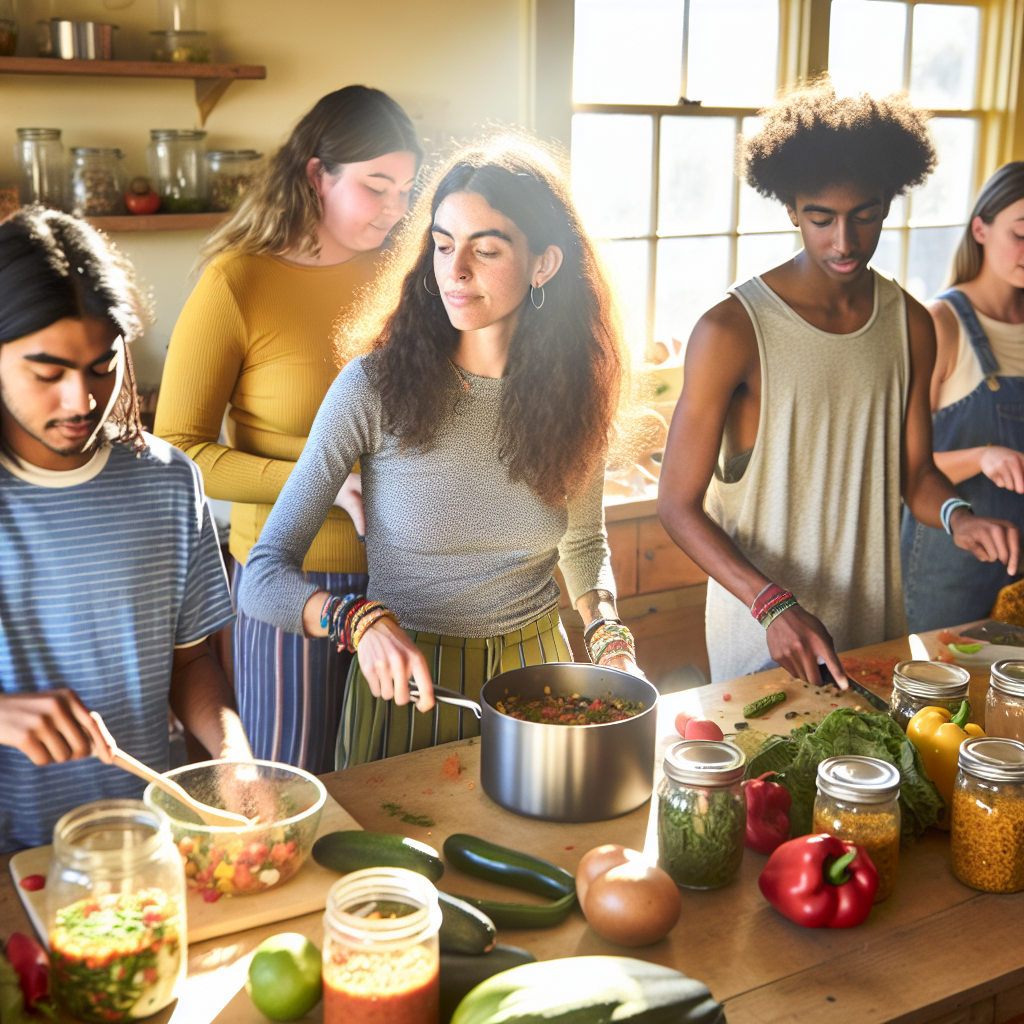
Let’s get clear and cut the overwhelm. You can thrive on a gluten-free, plant-based path. It starts with the right habits, tools, and support. Here’s how we do it together.
Start with What You CAN Eat
A gluten-free, plant-based diet is about focusing on what nourishes you—not what you’re missing.
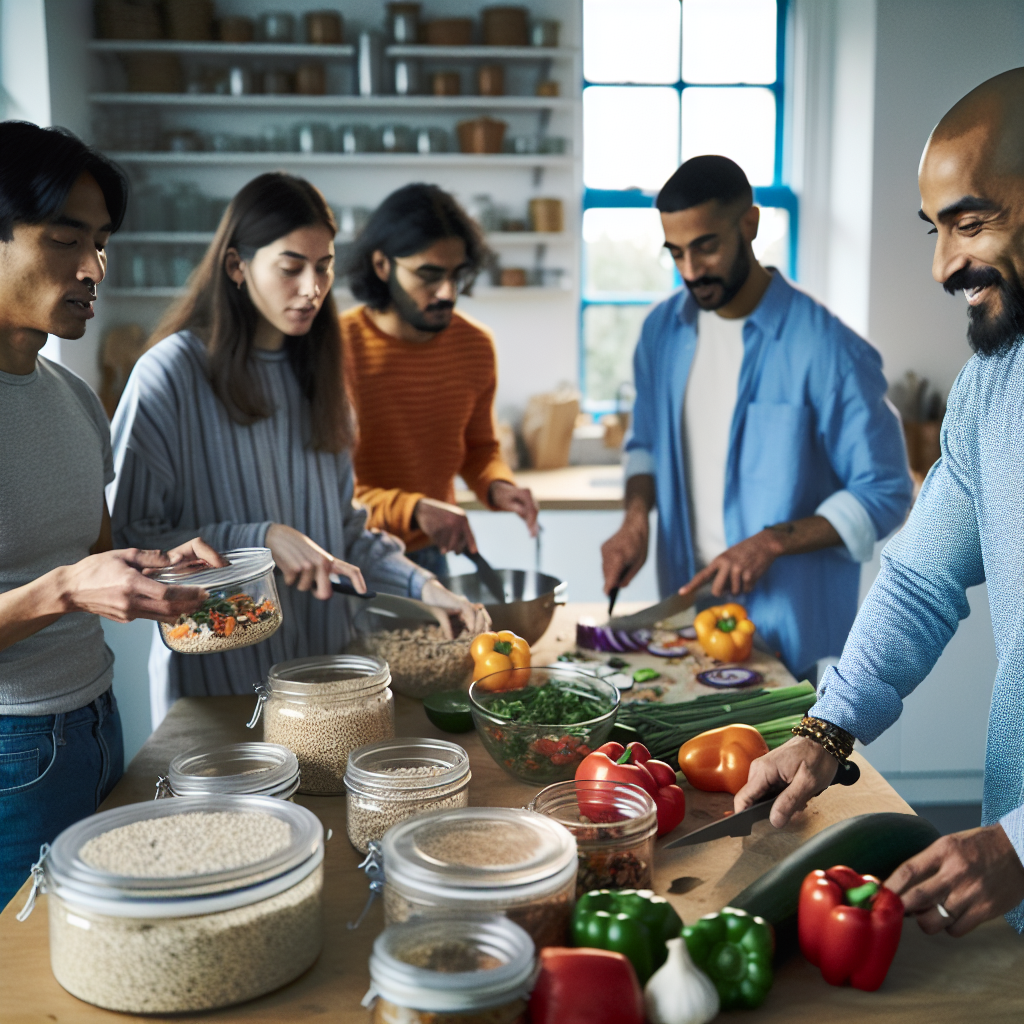
Whole foods are your foundation. Fruits, vegetables, beans, lentils, nuts, seeds, and gluten-free grains like quinoa, rice, millet, and buckwheat (not actually wheat) are all safe and satisfying.
Oats are a special case. Only choose oats labeled gluten free. Many are cross-contaminated with wheat during processing, so labels matter.
Think in systems, not meals. Keep your pantry stocked with these basics. When they’re ready to go, decisions get easier, and you waste less time wondering, “What can I eat?”
If you’re new to gluten-free, remember: Wheat, barley, and rye are out. But potatoes, sweet potatoes, corn, and most ancient grains are in. Let’s celebrate that abundance.
Read Labels Like a Pro
Here’s where plant-based and gluten free get tricky. Many plant-based convenience foods—think veggie burgers, seitan, sauces—use wheat as a binder. Gluten hides in unexpected places.
Your system: scan ingredients every time. Even “gluten-free” products can surprise you with sneaky animal ingredients like casein (dairy), honey, or gelatin.
Focus on simple, whole food snacks. Air-popped popcorn, roasted chickpeas, and nut butters on gluten-free crackers (or apple slices) are safe bets. For packaged foods, certified gluten-free and vegan labels take out the guesswork.
When eating out, kindness matters. Ask direct questions. “Is this made without wheat, barley, or rye?” “Are there any animal products in this dish?” Most restaurants want to help if you’re clear about your needs.
If you react to even trace gluten, watch for cross-contact in shared kitchens. Compassion for yourself is key here. There’s no shame in double-checking.
Batch Cooking and Meal Planning: Your Secret Weapons
Life runs smoother with a little planning. Batch cooking turns decision fatigue into a system that serves you.
Try this simple workflow: - Pick three gluten-free, plant-based meals you love. (Chickpea curry with rice, veggie chili, roasted sweet potatoes with black beans.) - Make double or triple batches. - Store portions in glass containers. - Mix and match for lunches and dinners all week.
Use your freezer. Soups, stews, and cooked grains keep well and save you on busy days. You don’t need a hundred recipes—just a few that you trust and enjoy.
Invite your community in. Share tips with friends who eat this way, or join a plant-based, gluten-free group. Swapping ideas makes the journey lighter and more joyful.
A study in Nutrients (2021) found that people on a gluten-free, plant-based diet report higher energy and lower inflammation when they stick to whole foods and plan ahead. That’s progress you can feel.
Your Choices Matter—for You and the Planet
Every meal is a chance to support your health and the world. Plant-based diets use fewer resources and create less pollution. Gluten-free doesn’t change that impact; it just changes your ingredients.
Give yourself credit for the changes you’re making. Systems make success repeatable, compassion makes it meaningful.
You belong in this movement. Your needs matter. When we support each other, we all get stronger.
** What’s your go-to gluten-free, plant-based meal? Share your favorite tip or question below, or join our next community event—because change compounds when we share what works and take the next step.


